.png)
Founders Note #12
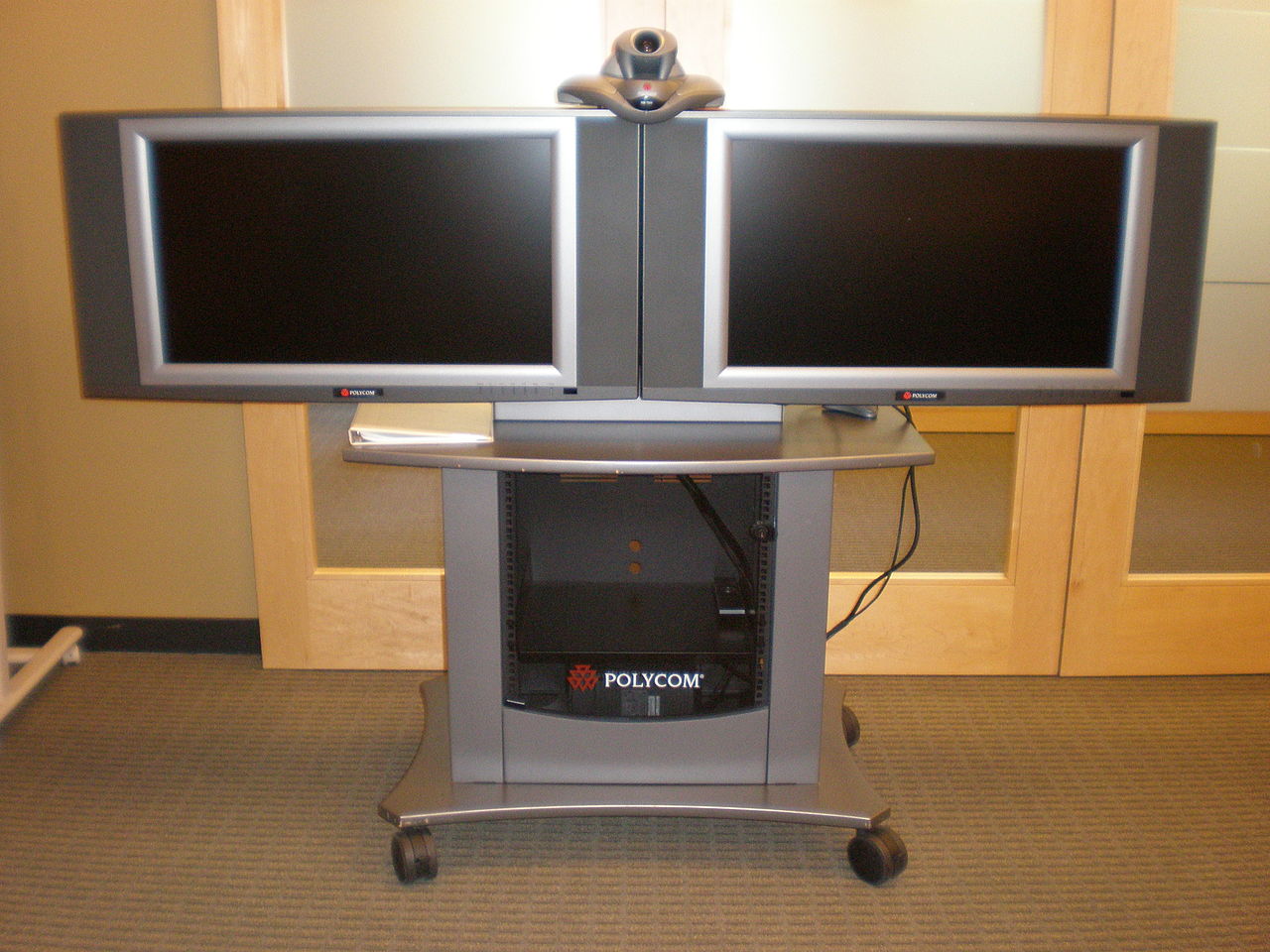
If you zoom way out (pun absolutely intended), video calls have gone through a few clear eras.
Era 1 — The Hardware Age (1990s–early 2000s)
Dominant players: PictureTel, Polycom, Cisco room systems, ISDN carts in the boardroom.
Video calls were expensive, booked through IT, and locked in dedicated rooms. If you weren’t in the office, you weren’t in the meeting. For consumers, you had glitchy experiments like NetMeeting and early webcam chat bolted onto instant messengers—but nothing truly mainstream yet.
Era 2 — The Skype Era (mid-2000s–early 2010s)
Dominant player: Skype, MSN, AIM
Broadband + cheap webcams changed everything. Skype made “video calling” feel like magic for regular people: free, peer-to-peer, and simple enough that you could video chat your parents without a helpdesk ticket. For the first time, video wasn’t just for boardrooms; it was for bedrooms, dorm rooms, and families.
Era 3 — The Zoom Era (mid-2010s–mid-2020s)
Dominant players: Zoom, Teams & Google Meet
Zoom took what Skype started and optimized ruthlessly for reliability, scale, and group meetings. Screen share just worked. Links were simple. During the pandemic, Zoom became the office, the classroom, the conference, and the family reunion. Teams and Meet followed as bundled options inside Microsoft 365 and Google Workspace, but the core pattern stayed the same.
Era 4 — The Hiyve Era: AI-Native Video (late-2020s → …. )
We’re now entering a new phase where the call itself becomes intelligent.
Instead of video calls being a blank pipe where conversation goes in and disappears, Hiyve treats each meeting as a living, persistent workspace:
Every room remembers. Transcripts, whiteboards, files, and past discussions all live in a persistent “room,” so you’re not starting from zero each time.
AI is inside the call, not bolted on afterward. You can ask questions like “What did we decide last week?” or “What are the open action items with this client?” and get answers in real time, during the conversation, not three tools later. Meetings adapt to people, not the other way around. Live sentiment and engagement analysis help you see who’s checked out, which topics are hitting, and when it’s time to change gears.
If Skype’s superpower was making video calls accessible, and Zoom’s superpower was making them scalable, Hiyve’s superpower is making them intelligent.
The future of video calls isn’t just higher resolution or fewer glitches; it’s meetings that are intelligent.
That’s the leap from video conferencing to AI-native collaboration, and that’s the future Hiyve is aiming to lead.
Pretty impressive how far it has come in such a short time... Do you recall which platform you first used for video calls?